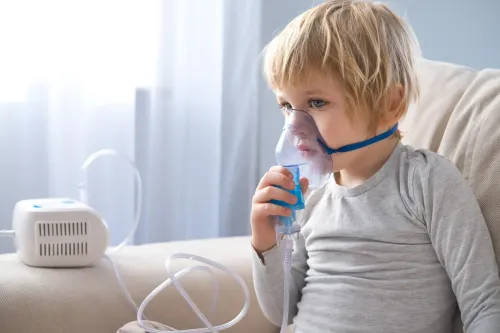

A pediatrician supports a child’s health from the newborn stage through infancy, childhood, and adolescence. While parents commonly seek pediatric care when a child develops fever, cough, vomiting, or another illness, pediatric care also includes vaccination, nutrition guidance, growth tracking, developmental assessment, preventive care, and age-appropriate health counselling.
For families in Injambakkam and nearby parts of Chennai, Tamil Nadu, having a regular pediatric care plan can make it easier to understand what is normal at each stage of childhood and when a symptom needs medical assessment.
Signs That Need a Pediatrician Assessment
Children cannot always describe their symptoms clearly. Babies may communicate discomfort through changes in feeding, crying, sleep, activity, or responsiveness. Older children may complain of pain, tiredness, breathing difficulty, stomach discomfort, or other symptoms.
A medical assessment may be appropriate when a child has:
- Persistent or high fever
- Repeated vomiting or loose stools
- Reduced feeding
- Unusual sleepiness
- Breathing difficulty
- Persistent cough
- Skin rashes with illness
- Ear pain
- Poor weight gain
- Changes in behaviour or activity
- Recurrent infections
Symptoms such as severe breathing difficulty, seizures, bluish lips, significant dehydration, serious injury, or markedly reduced responsiveness can require urgent medical attention.
What Happens During a Pediatric Visit
The consultation usually begins with the child’s medical history and current symptoms. Parents may be asked when the problem started, whether symptoms are improving or worsening, what the child has eaten or drunk, and whether any medicines have already been given.
Depending on the concern, the clinical examination may include temperature, breathing, hydration, throat, ears, chest, abdomen, skin, weight, and general activity. Tests are not automatically required for every childhood illness. The need for investigations depends on the clinical findings.
Recovery Time Depends on the Illness
There is no single recovery period for pediatric illnesses. A mild viral infection may improve over several days, while bacterial infections, asthma flare-ups, nutritional concerns, or chronic conditions can require different treatment and follow-up schedules.
Parents should follow the recommended treatment duration even when the child begins feeling better. Medicines should be given only in the advised dose, particularly because pediatric doses can depend on the child’s age and weight.
Care Before and After the Visit
Before the consultation, parents can note the child’s temperature, symptoms, food and fluid intake, urine frequency, current medicines, allergies, and vaccination history. Bringing previous medical records can also help when the child has an ongoing condition.
After the consultation, follow instructions on medicines, hydration, food, rest, symptom monitoring, and follow-up. Avoid giving leftover antibiotics or medicines prescribed previously without medical advice.
Benefits and Possible Treatment Risks
Timely pediatric assessment can help identify the cause of symptoms, detect warning signs, guide safe medication use, and reduce unnecessary self-medication.
Treatment risks depend on the medicine, procedure, and underlying illness. Some medicines can cause side effects or allergic reactions, which is why age-appropriate dosing and clinical supervision matter.
Dr. Samutrikha Dinesh provides pediatric healthcare services for families seeking child-focused medical assessment in Injambakkam. Regular pediatric care can also help parents stay informed about vaccination, growth, development, nutrition, and preventive health.
Common Questions Parents Ask
Does every fever require antibiotics?
No. Many childhood fevers are caused by viral infections, and antibiotics do not treat viruses. Treatment depends on the cause and clinical findings.
Should a healthy child still visit a pediatrician?
Preventive visits can be useful for vaccination, growth monitoring, developmental review, nutrition guidance, and age-specific health concerns.
What should parents bring to an appointment?
Vaccination records, previous prescriptions, test reports, medicine details, and notes about current symptoms can help make the consultation more informative.
Keywords