

Repeated coughing, wheezing, sneezing, nasal congestion, itchy eyes, and breathing discomfort can affect a child’s sleep, school attendance, physical activity, and quality of life. Pediatric asthma and allergy care focuses on identifying symptom patterns, possible triggers, severity, and suitable treatment.
For children living in Injambakkam and the coastal Chennai region of Tamil Nadu, symptoms may vary with respiratory infections, weather changes, indoor allergens, dust, smoke, and other individual triggers.
Recognising Common Asthma Patterns
Asthma symptoms are not identical in every child. Some children mainly develop symptoms during viral infections, while others experience coughing or wheezing after exercise, at night, or following exposure to specific triggers.
Possible symptoms include:
- Recurrent wheezing
- Night-time cough
- Chest tightness
- Breathlessness
- Cough after physical activity
- Repeated prolonged cough after colds
Not every cough or wheeze is asthma. Pediatric evaluation helps determine whether the pattern is consistent with asthma and whether further assessment is required.
Allergy Symptoms Can Overlap
Allergic conditions may cause sneezing, nasal blockage, watery eyes, itching, skin symptoms, and sometimes respiratory problems.
Identifying a trigger can involve reviewing where symptoms occur, when they worsen, seasonal patterns, household exposures, family history, and associated conditions.
Testing may be considered in selected cases, but diagnosis is not based on testing alone.
Treatment and Symptom Control
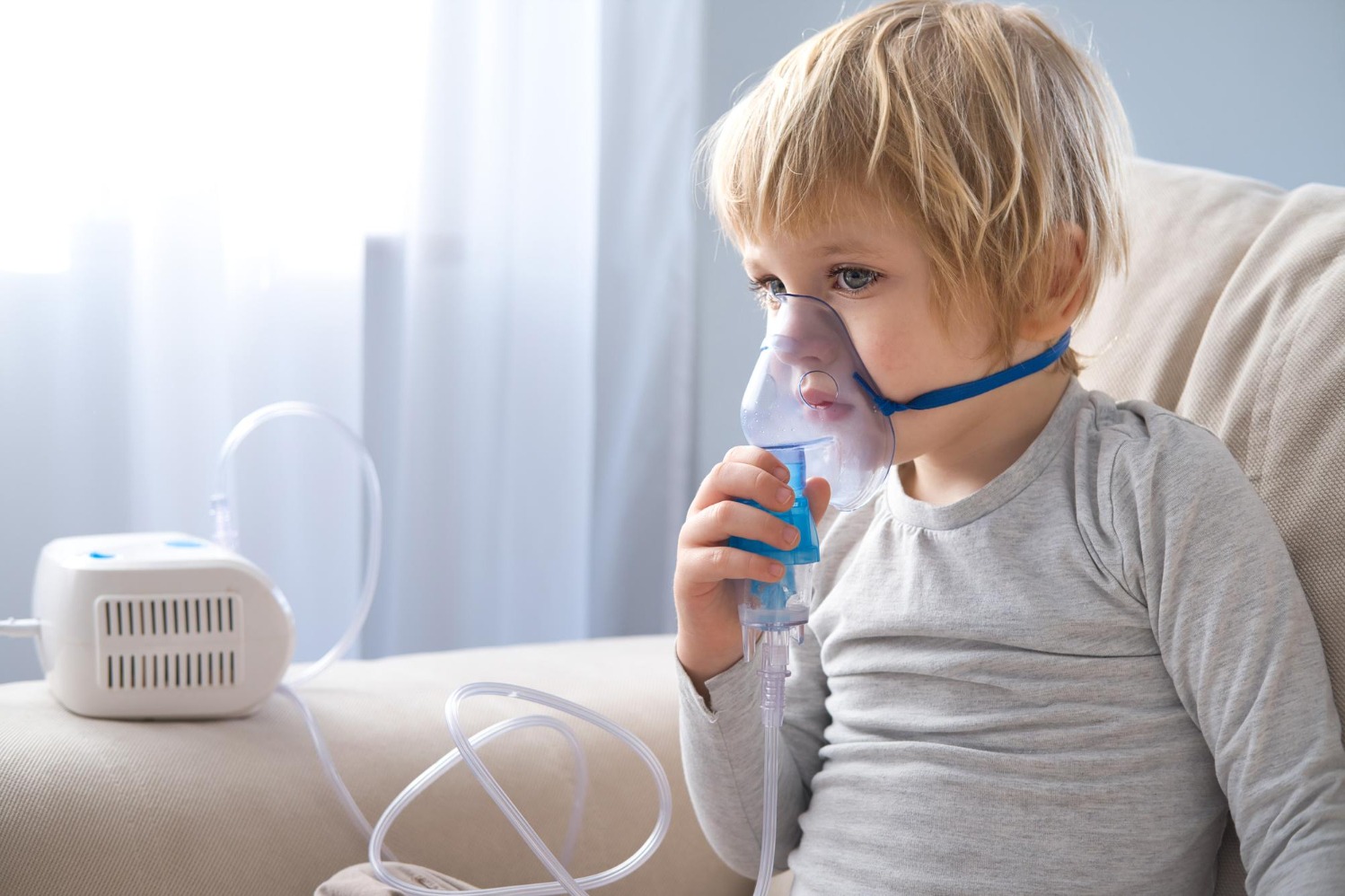
Asthma management can involve reliever medicines, controller treatment when indicated, trigger reduction, inhaler technique education, and an action plan.
The exact treatment depends on age, symptom frequency, severity, previous attacks, and clinical findings.
Inhaled medicines need correct technique. A spacer device may be recommended for some children to improve medicine delivery.
Recovery and Long-Term Management
An acute episode may improve within hours or days depending on severity and response to treatment. Asthma itself often requires ongoing monitoring rather than a one-time course of treatment.
Good symptom control aims to help children sleep comfortably, attend school, participate in suitable physical activity, and experience fewer disruptive symptoms.
Care Before and After a Consultation
Parents can note the frequency of coughing, wheezing, night symptoms, exercise-related symptoms, previous emergency visits, known triggers, and medicines already used.
After treatment begins, follow the prescribed schedule and ensure inhaler technique remains correct. Do not stop controller medicine solely because symptoms improve unless the treatment plan has been reviewed.
Benefits and Treatment Risks
Appropriate asthma management can reduce symptom burden and lower the likelihood of severe flare-ups.
Medicines can also have side effects, and the risks vary according to the drug and dose. Using the prescribed technique and attending follow-up appointments help ensure treatment remains appropriate.
Dr. Samutrikha Dinesh provides pediatric assessment in Injambakkam for children experiencing recurrent respiratory and allergy-related symptoms.
Asthma and Allergy FAQs
Can children with asthma exercise?
Many children with well-managed asthma can participate in physical activity. Individual guidance may be needed when exercise triggers symptoms.
Does every wheezing episode mean asthma?
No. Wheezing has several possible causes, particularly in young children.
When is breathing trouble an emergency?
Severe breathlessness, bluish lips, difficulty speaking or feeding due to breathing, marked chest retractions, unusual drowsiness, or poor response to prescribed rescue treatment requires urgent medical attention.