Every parent looks forward to seeing their child grow—whether it is the first smile, first step, first word, or the excitement of starting school. While every child develops at their own pace, monitoring these milestones through regular growth and development checks helps ensure they are progressing in a healthy and age-appropriate manner. These routine assessments do much more than measure height and weight. They provide valuable insights into a child's physical, cognitive, emotional, and social development.
Many developmental concerns are easier to manage when identified early. Regular pediatric evaluations allow parents to understand their child's progress, receive practical guidance, and take timely action if additional support is needed.
What Is a Growth and Development Check?
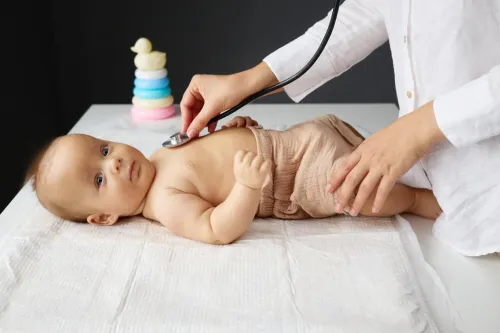
A growth and development check is a comprehensive pediatric assessment that evaluates whether a child is achieving expected milestones according to their age. These visits help monitor overall health rather than focusing only on illness.
During a routine assessment, a pediatrician may evaluate:
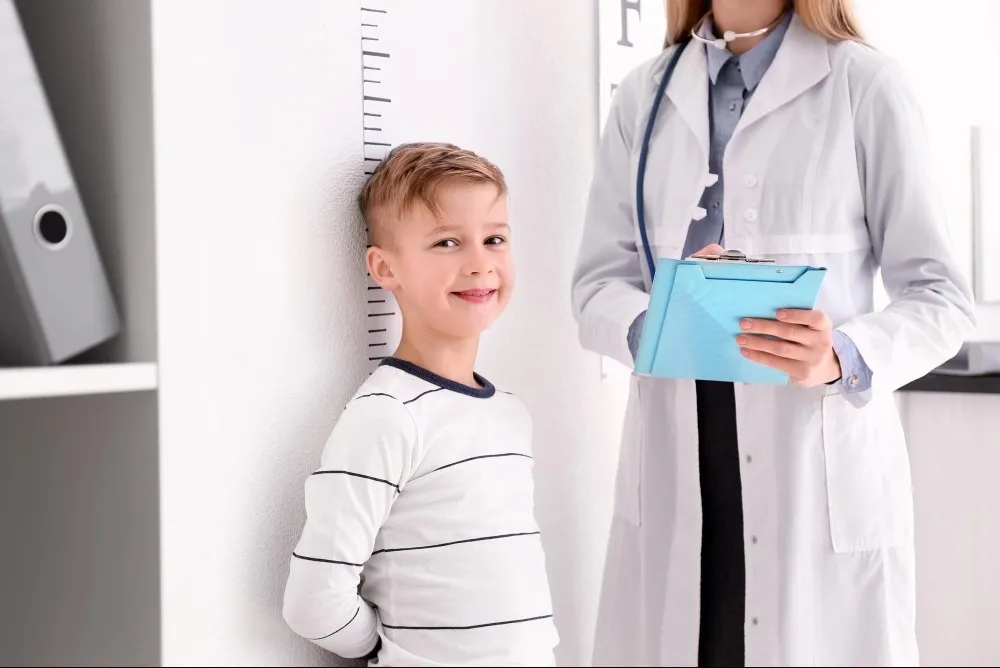
- Height and weight
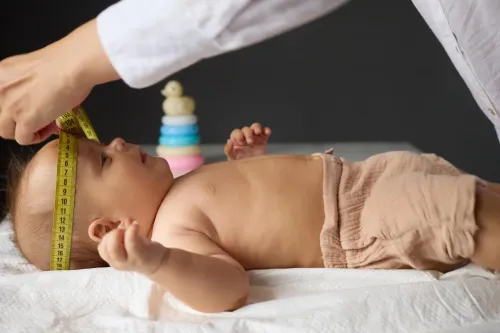
- Head circumference in infants
- Growth chart progression
- Body Mass Index (BMI) for older children
- Feeding and nutrition
- Sleep patterns
- Physical activity
- Speech and language development
- Motor skills
- Behaviour and social interaction
- Learning abilities
- Vaccination status
Each visit provides a clearer picture of how a child is growing over time rather than relying on a single measurement.
Why Every Child Develops Differently
Parents often compare their child's progress with siblings, relatives, or classmates. However, growth and development are influenced by several factors, including genetics, nutrition, overall health, physical activity, and environmental stimulation.
Some children may begin walking or speaking slightly earlier, while others achieve the same milestones a little later. Minor differences are often normal. What matters most is whether development continues steadily within an expected range.
Regular pediatric monitoring helps distinguish normal variations from signs that require further evaluation.
Developmental Milestones That Pediatricians Commonly Assess
Children develop skills across several areas as they grow. A pediatrician evaluates these milestones according to the child's age and overall health.
Important developmental areas include:
Physical Development
- Rolling over
- Sitting independently
- Crawling
- Walking
- Running
- Climbing stairs
- Fine hand movements
Speech and Language Development
- Responding to sounds
- Babbling
- Saying first words
- Forming simple sentences
- Following instructions
- Expressing needs clearly
Cognitive Development
- Recognising familiar people
- Identifying colours and shapes
- Memory development
- Problem-solving skills
- Curiosity and learning ability
Social and Emotional Development
- Eye contact
- Smiling
- Playing with other children
- Emotional expression
- Confidence in new environments
- Building relationships
Monitoring each of these areas helps ensure children receive support whenever necessary.
Signs Parents Should Not Ignore
Although every child develops differently, some signs may indicate the need for a pediatric evaluation.
Parents should seek medical advice if they notice:
- Poor weight gain
- Delayed walking
- Limited speech for age
- Difficulty making eye contact
- Loss of previously acquired skills
- Poor coordination
- Difficulty interacting with others
- Feeding challenges that continue over time
- Persistent behavioural concerns
These signs do not automatically indicate a serious condition, but they deserve professional assessment to determine the underlying cause.
The Importance of Early Identification
Early detection allows children to receive appropriate interventions during critical stages of brain development. Whether the concern relates to nutrition, hearing, vision, speech, learning, or behaviour, addressing it early often leads to better long-term outcomes.
In some situations, a pediatrician may recommend further evaluation or coordinate care with specialists such as speech therapists, occupational therapists, physiotherapists, psychologists, or developmental experts. Early collaboration ensures that children receive the right support based on their individual needs.
How Parents Can Support Healthy Development at Home
Healthy growth depends on more than regular medical visits. Daily routines at home also contribute significantly to a child's overall development.
Parents can encourage healthy progress by:
- Providing balanced nutrition
- Maintaining regular sleep schedules
- Encouraging outdoor play and physical activity
- Reading books together every day
- Talking and interacting frequently
- Limiting unnecessary screen time
- Creating opportunities for creative play and problem-solving
- Keeping up with routine immunizations and health check-ups
Simple, consistent activities often have a lasting impact on a child's learning, confidence, and overall well-being.
Why Regular Monitoring Builds Confidence for Parents
Growth and development checks are not only about identifying concerns—they also reassure parents when their child is progressing well. These visits provide an opportunity to ask questions about nutrition, school readiness, behaviour, sleep, physical activity, and developmental milestones without waiting until a problem becomes noticeable.
For families living in Injambakkam, regular pediatric assessments make it easier to monitor children's health through every stage of infancy, early childhood, and adolescence. Having a trusted pediatrician nearby encourages consistent follow-up and timely guidance whenever new questions arise.
Parents looking for comprehensive growth and development checks can consult Dr. Samutrikha Dinesh for routine pediatric evaluations, milestone monitoring, nutritional guidance, and developmental assessments tailored to each child's age and individual needs. Regular check-ups provide valuable reassurance while helping children build a healthy foundation for lifelong learning, growth, and well-being.
Keywords