
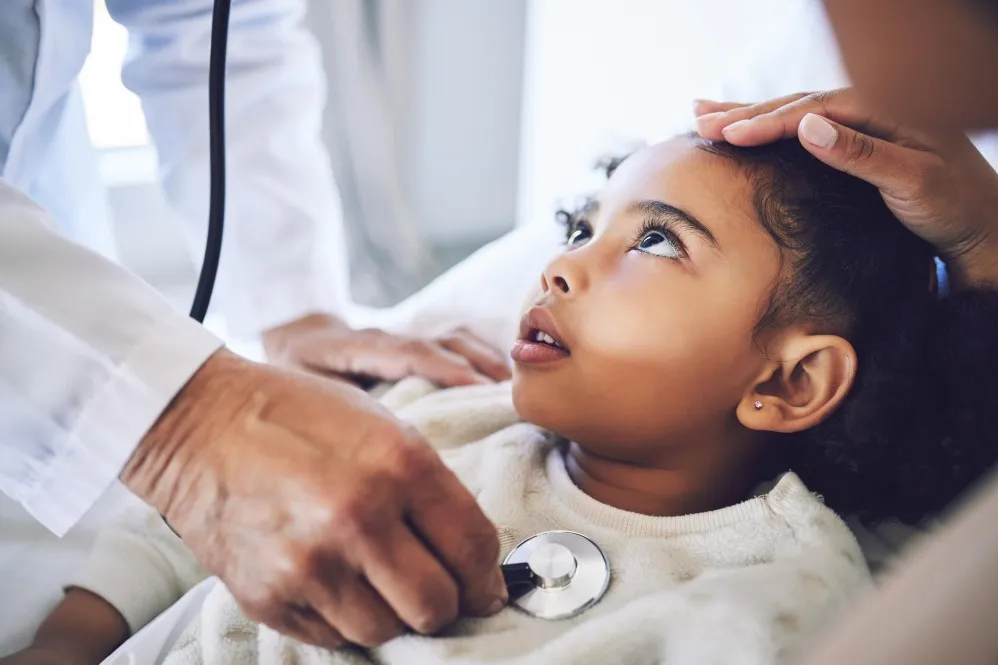
A visit to the doctor is often associated with fever, cough, stomach pain, or an unexpected illness. However, children benefit just as much from routine health check-ups when they are perfectly healthy. A child wellness doctor focuses on preventive healthcare by monitoring growth, nutrition, development, emotional well-being, and overall health before concerns become serious. These regular assessments help parents understand how their child is progressing and provide an opportunity to address small issues before they affect long-term health.
Preventive pediatric care has become increasingly important because today's children face a wide range of health challenges beyond common infections. Lifestyle changes, nutritional deficiencies, allergies, excessive screen time, learning concerns, and reduced physical activity can all influence a child's development. Regular wellness visits help ensure that children continue to grow confidently through every stage of childhood.
What Is a Child Wellness Visit?
Unlike appointments that focus on treating a specific illness, a wellness visit provides a complete picture of a child's overall health. Pediatricians evaluate physical growth, developmental progress, nutrition, immunity, behaviour, and age-related milestones while answering parents' questions about everyday childcare.
A typical child wellness assessment may include:
- Measuring height, weight, and body mass index (BMI)
- Reviewing growth charts
- Monitoring developmental milestones
- Physical examination
- Vision and hearing screening when appropriate
- Reviewing vaccination records
- Nutritional assessment
- Sleep and lifestyle evaluation
- Guidance on physical activity and emotional health
These routine evaluations create a valuable health record that allows pediatricians to identify patterns and monitor progress over time.
Growth Is More Than Just Getting Taller
Parents often compare their child's height or weight with friends or relatives. While comparisons are natural, every child follows a unique growth pattern. Pediatricians use standardized growth charts to evaluate whether children are developing consistently according to their age and individual growth history.
Regular monitoring helps identify concerns such as:
- Slow weight gain
- Childhood obesity
- Nutritional deficiencies
- Delayed height growth
- Vitamin deficiencies
- Feeding difficulties
Early identification allows parents to make simple dietary and lifestyle changes before these issues become more challenging to manage.
Supporting Healthy Development at Every Age
Physical growth is only one aspect of child wellness. Cognitive, emotional, language, and social development are equally important.
During wellness visits, pediatricians observe whether children are developing skills appropriate for their age, including:
- Communication and language abilities
- Social interaction
- Learning readiness
- Motor coordination
- Emotional regulation
- Attention and concentration
- Problem-solving skills
If developmental concerns are identified, early intervention and appropriate specialist referrals can significantly improve long-term outcomes.
Nutrition Remains the Foundation of Good Health
Healthy eating habits established during childhood often continue into adulthood. Unfortunately, busy schedules and processed foods have made balanced nutrition more challenging for many families.
During a wellness consultation, parents can receive guidance on:
- Balanced meal planning
- Age-appropriate portion sizes
- Healthy snacking habits
- Iron-rich foods
- Calcium requirements
- Hydration
- Managing picky eating
- Healthy weight maintenance
Instead of following popular online advice, families receive recommendations based on their child's individual nutritional needs.
Preventive Healthcare Reduces Future Health Risks
Routine pediatric check-ups help prevent many avoidable health problems. Children who attend regular wellness visits are more likely to receive timely vaccinations, developmental screening, nutritional advice, and early diagnosis of medical conditions.
Preventive care may also include discussions about:
- Seasonal illnesses
- Personal hygiene
- Dental care
- Eye health
- Safe physical activity
- Injury prevention
- Mental well-being
- Healthy screen-time habits
These conversations equip parents with practical knowledge for supporting healthier lifestyles at home.
When Should Parents Schedule a Wellness Visit?
Although the frequency of visits changes as children grow, regular health assessments remain beneficial throughout childhood.
Parents should also consider scheduling a wellness consultation if they notice:
- Changes in appetite
- Poor weight gain
- Frequent infections
- Delayed speech
- Difficulty sleeping
- Behavioural changes
- Learning concerns
- Reduced physical activity
- Persistent fatigue
Seeking advice early often prevents small concerns from developing into larger health issues.
Building a Long-Term Partnership with Your Pediatrician
One of the greatest advantages of seeing the same pediatrician regularly is continuity of care. As the doctor becomes familiar with a child's medical history, allergies, growth pattern, previous illnesses, and developmental progress, healthcare decisions become more personalized and effective.
For families living in Injambakkam, having access to a trusted child wellness doctor close to home encourages regular preventive healthcare instead of waiting until illness occurs. Consistent monitoring helps children stay healthier while giving parents confidence that every stage of development is being carefully observed.
Parents seeking comprehensive preventive pediatric care can consult Dr. Samutrikha Dinesh for routine wellness examinations, growth monitoring, nutritional guidance, developmental assessments, and childhood immunization support. Investing in regular wellness visits is one of the most effective ways to promote healthy growth, detect concerns early, and give every child the strongest possible foundation for a healthy future.
Keywords