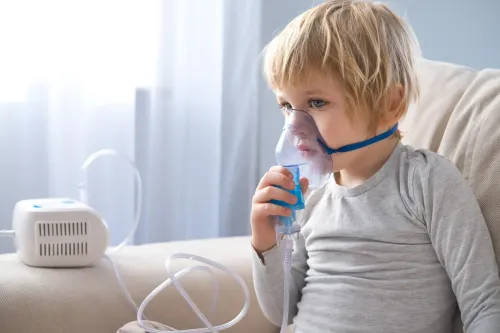
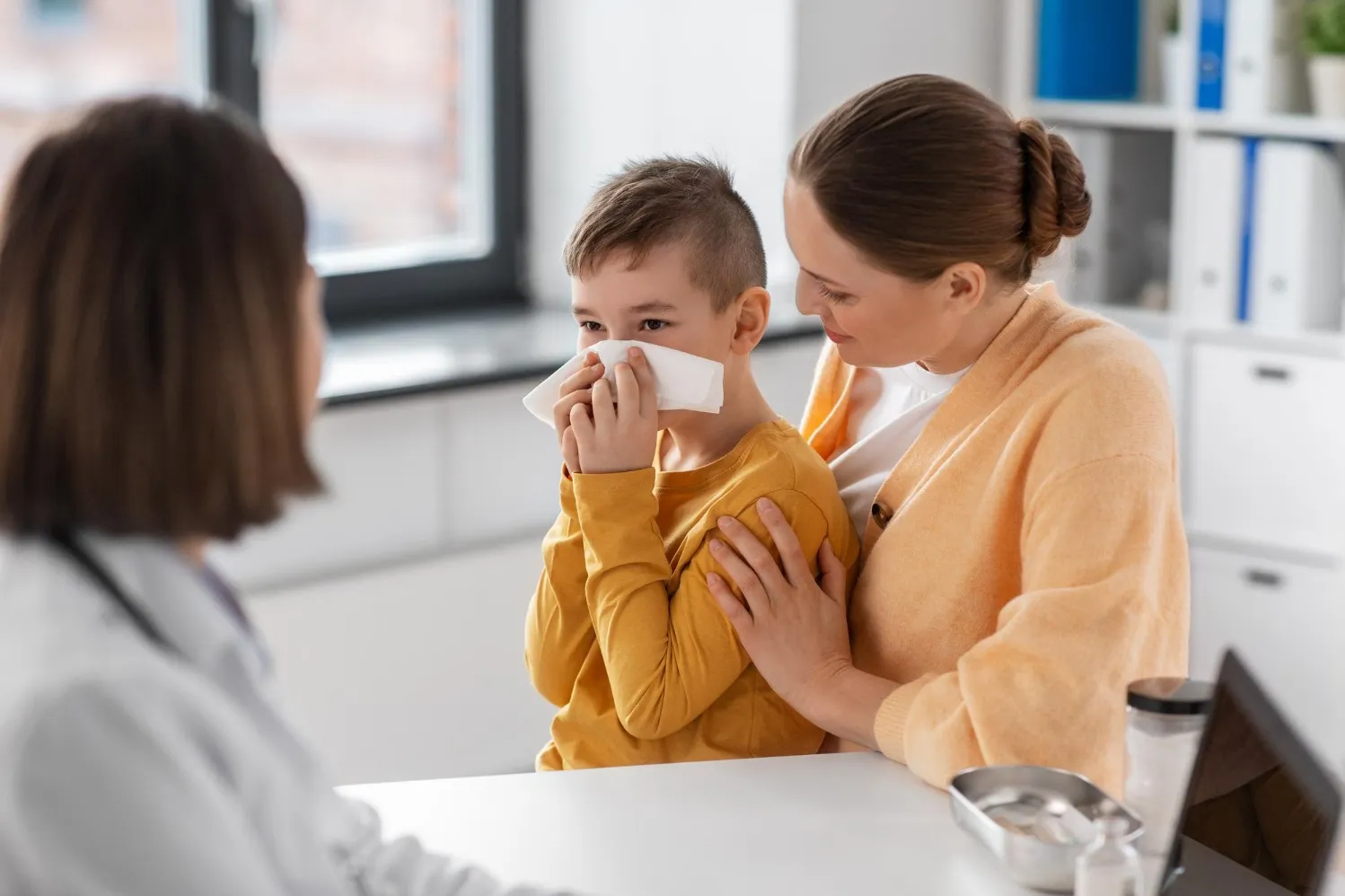
Parents often notice recurring symptoms in their children that seem to appear without an obvious cause. Frequent sneezing, itchy skin, watery eyes, persistent rashes, or repeated coughing may not always be signs of a seasonal infection. In many cases, these symptoms are linked to allergies. Seeking timely allergy treatment for kids helps identify the underlying trigger and allows children to enjoy healthier, more comfortable daily lives.
Childhood allergies have become increasingly common due to environmental changes, pollution, dietary habits, and genetic factors. While many allergies can be managed successfully, recognising the symptoms early is important because untreated allergies may affect sleep, school performance, outdoor activities, and overall quality of life.
What Causes Allergies in Children?
An allergy develops when a child's immune system reacts to substances that are usually harmless. These substances, known as allergens, trigger an immune response that can lead to a variety of symptoms ranging from mild irritation to more serious reactions.
Some of the most common allergy triggers include:
- Dust mites
- Pollen
- Pet dander
- Mold spores
- Foods such as milk, eggs, peanuts, soy, wheat, and seafood
- Insect bites or stings
- Certain medications
- Smoke and air pollution
Every child responds differently, which is why identifying the exact trigger is one of the most important steps in allergy management.
Recognising the Signs of Childhood Allergies
Allergy symptoms often resemble common viral illnesses, making them difficult for parents to identify. However, symptoms that return repeatedly or continue for several weeks should not be ignored.
Common signs include:
- Frequent sneezing
- Runny or blocked nose
- Itchy or watery eyes
- Recurrent skin rashes
- Eczema flare-ups
- Persistent itching
- Chronic cough
- Wheezing
- Breathing discomfort
- Swelling of the lips or face after eating certain foods
Keeping a record of symptoms, recent meals, outdoor activities, and environmental exposure can help a pediatrician identify possible allergy triggers more effectively.
How Can Parents Tell the Difference Between an Allergy and a Common Cold?
Because allergies and viral infections share several symptoms, it is easy to confuse one with the other. However, there are a few important differences.
A common cold usually lasts for about a week and may be accompanied by fever, body aches, and thick nasal discharge. Allergies, on the other hand, often continue for weeks or even months if exposure to the allergen continues. They usually cause clear, watery nasal discharge along with persistent sneezing, itchy eyes, or skin irritation. Fever is uncommon with allergies, and symptoms often appear after exposure to specific triggers such as dust, pollen, or pets.
If symptoms keep returning despite treatment for a cold, it is advisable to seek a pediatric evaluation rather than repeatedly using over-the-counter medicines.
Why Professional Evaluation Matters
Instead of treating symptoms every time they appear, identifying the underlying cause helps create an effective long-term management plan.
During an allergy assessment, a pediatrician may:
- Review the child's medical history
- Discuss symptom patterns
- Evaluate family history of allergies
- Identify possible environmental triggers
- Assess food-related reactions
- Recommend allergy testing if required
This personalized approach helps avoid unnecessary medications while allowing families to understand how to reduce exposure to specific allergens.
Managing Childhood Allergies at Home
Although every child requires an individual treatment plan, certain everyday practices can significantly reduce allergy flare-ups.
Helpful measures include:
- Keeping bedrooms clean and free from dust
- Washing bedsheets and pillow covers regularly
- Vacuuming carpets and upholstered furniture frequently
- Avoiding cigarette smoke around children
- Maintaining good indoor ventilation
- Introducing new foods carefully under medical guidance
- Encouraging children to wash their hands and face after outdoor play
- Monitoring seasonal pollen exposure if allergies worsen during specific times of the year
Parents should avoid eliminating multiple foods without consulting a pediatrician, as unnecessary dietary restrictions can affect healthy growth and nutrition.
When Should Parents Seek Immediate Medical Care?
While many allergies are mild, some reactions require urgent medical attention.
Seek immediate medical help if a child develops:
- Difficulty breathing
- Severe wheezing
- Swelling of the tongue or throat
- Persistent vomiting after eating a particular food
- Sudden dizziness
- Loss of consciousness
- Rapidly spreading hives accompanied by breathing difficulty
Prompt treatment during severe allergic reactions is essential to prevent complications.
The Benefits of Early Allergy Management
Early diagnosis and appropriate treatment can make a significant difference in a child's daily life. Children with well-managed allergies often experience:
- Better sleep quality
- Improved concentration at school
- Fewer missed school days
- Reduced risk of repeated respiratory infections
- Better control of eczema and skin irritation
- Greater participation in sports and outdoor activities
- Improved overall comfort and confidence
For families living in Injambakkam, changing weather conditions, coastal humidity, pollution, and seasonal allergens can contribute to recurring allergy symptoms in children. Consulting a pediatrician when symptoms persist helps identify the actual cause instead of repeatedly treating temporary discomfort.
Parents looking for comprehensive pediatric care for childhood allergies can consult Dr. Samutrikha Dinesh for detailed evaluation, guidance on identifying allergy triggers, and personalized treatment plans based on each child's medical history and lifestyle. With timely diagnosis and appropriate management, most children with allergies can continue to lead healthy, active, and comfortable lives.
Keywords