The first months after birth bring rapid changes in feeding, sleep, growth, digestion, immunity, and development. Newborn and infant care focuses on monitoring these changes while helping parents recognise common concerns and important warning signs.
For parents in Injambakkam, Chennai, access to structured newborn healthcare can be particularly helpful after discharge from the maternity hospital, when many day-to-day questions begin at home.
What Early Infant Care Includes
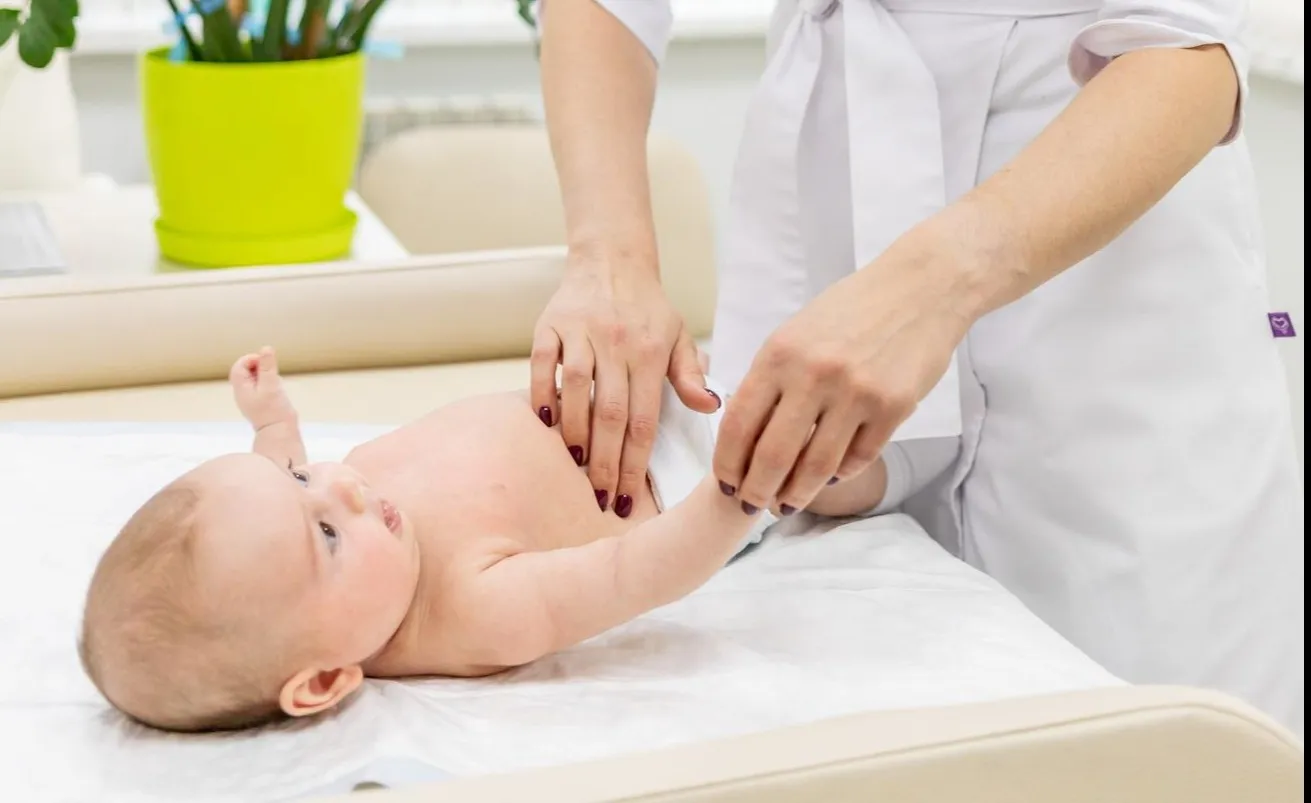
Routine infant visits are not limited to treating illness. They may include assessment of:
- Weight gain and feeding
- Length and head circumference
- Skin and umbilical area
- Sleep patterns
- Urination and bowel movements
- Developmental progress
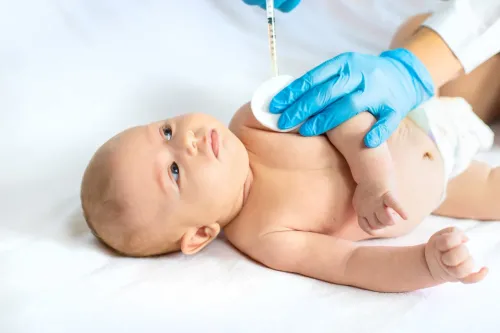
- Vaccination status
- Vitamin supplementation when indicated
Breastfeeding and feeding concerns are also common during this stage. Difficulty latching, inadequate intake, frequent vomiting, poor weight gain, and unusual sleepiness may need assessment.
Preparing Ahead of an Infant Checkup
Parents can keep a simple record of feeding frequency, wet diapers, bowel movements, sleep, vomiting, medications, and any noticeable changes in the baby’s behaviour.
The baby’s birth and discharge records, newborn screening information, vaccination records, and previous prescriptions can provide useful clinical context.
Warning Signs in a Newborn Baby
Very young babies need careful observation because their symptoms may be less obvious than those of older children.
Medical assessment may be needed promptly when a baby develops fever, poor feeding, persistent vomiting, breathing difficulty, unusual lethargy, reduced urination, seizures, bluish skin, significant jaundice, or an unusual change in responsiveness.
Parents should avoid relying solely on home remedies when a newborn appears unwell.
Treatment and Recovery
Treatment depends entirely on the underlying problem. Minor feeding concerns may improve after feeding assessment and practical adjustments. Some infections and breathing problems may require closer medical monitoring.
Recovery time therefore varies significantly. The baby’s age, diagnosis, hydration, feeding ability, and overall clinical condition influence how quickly improvement can be expected.
Parents should use medicines only when specifically advised for the baby. Medication suitable for an older child may not be appropriate for a newborn.
Supporting Recovery at Home
After medical evaluation, parents may be advised to monitor feeding, urine output, temperature, breathing, activity, and other symptoms. Follow-up can be particularly important when weight gain, jaundice, feeding, or infection is being monitored.
A calm, clean environment and careful hand hygiene can also reduce unnecessary exposure to infections. Safe sleep practices and age-appropriate feeding guidance should remain part of everyday infant care.
Benefits and Risks Parents Should Understand
Regular newborn assessment can help identify feeding difficulties, inadequate weight gain, jaundice, developmental concerns, and other health issues early.
At the same time, unnecessary medication can create avoidable risks. Antibiotics, cough medicines, supplements, and other products should not be given to a young infant without suitable medical guidance.
Families seeking newborn care in Injambakkam can consult Dr. Samutrikha Dinesh for pediatric assessment, preventive guidance, and follow-up based on the baby’s individual needs.
Frequently Asked Questions
How often should a newborn be checked?
The schedule depends on birth history, feeding, weight gain, vaccination needs, and any medical concerns.
Is frequent crying always a sign of illness?
No. Babies cry for many reasons, but persistent unusual crying accompanied by poor feeding, fever, vomiting, breathing changes, or reduced activity deserves attention.
Why is weight monitoring important?
Growth trends can provide useful information about feeding, nutrition, and general health during infancy.
Keywords