
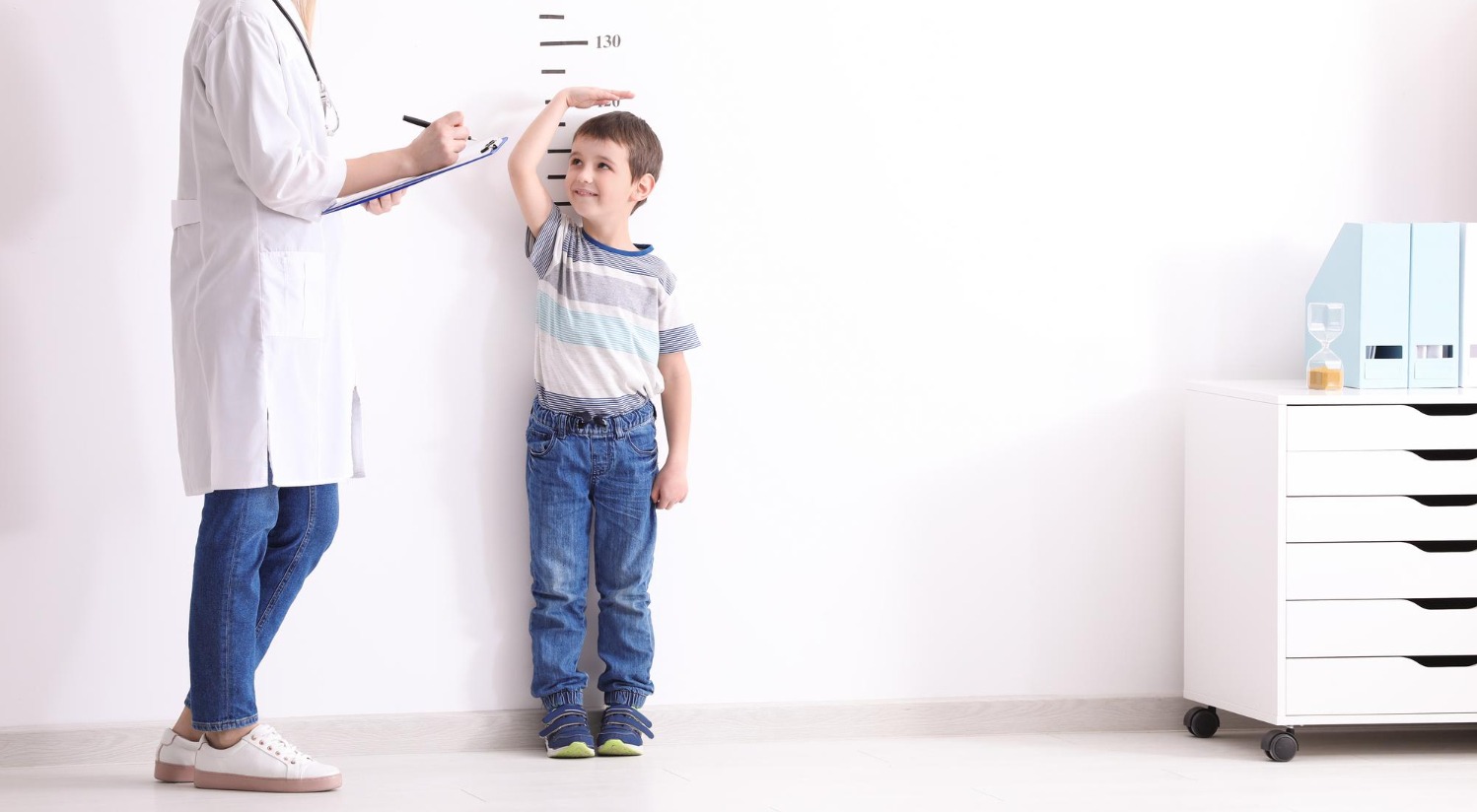
Every child grows at their own pace, but monitoring that growth consistently helps ensure they are reaching important physical, cognitive, and emotional milestones. A regular Growth and Development Check provides parents with valuable insights into how their child is progressing while identifying areas that may benefit from additional support.
Growth is about much more than height and weight. It includes communication skills, movement, learning ability, social interaction, and emotional development. Tracking these areas over time allows pediatricians to build a complete picture of a child's overall well-being.
Understanding What Is Assessed
A developmental review looks at several aspects of a child's health instead of focusing on a single concern. During the assessment, the pediatrician considers age-appropriate milestones and compares progress over previous visits.
The evaluation may include:
- Height, weight, and head circumference
- Gross and fine motor skills
- Speech and language development
- Cognitive abilities
- Social interaction
- Emotional responses
- Vision and hearing observations
- Nutrition and feeding habits
These assessments help identify whether development is progressing as expected while providing parents with guidance that supports healthy growth.
Signs That Should Not Be Ignored
Every child develops differently, but certain signs deserve medical attention if they continue beyond expected age ranges.
Parents may consider scheduling an assessment if they notice:
- Limited eye contact
- Delayed walking
- Difficulty speaking simple words
- Poor weight gain
- Trouble interacting with other children
- Difficulty following simple instructions
- Reduced interest in play
- Delayed fine motor skills such as holding crayons or stacking blocks
Early assessment does not always indicate a serious condition, but it provides an opportunity to understand the underlying reasons and determine whether additional support would be helpful.
Why Regular Monitoring Makes a Difference
Growth patterns become more meaningful when observed over time. A single measurement may not reveal much, but consistent monitoring helps identify positive trends as well as unexpected changes.
Regular developmental reviews help:
- Detect concerns earlier
- Track physical growth accurately
- Support healthy nutrition
- Monitor school readiness
- Encourage age-appropriate learning
- Improve parental understanding of developmental milestones
Parents also gain reassurance when they know their child is progressing well.
Creating a Supportive Environment at Home
Children thrive when healthy development continues beyond the clinic. Parents can encourage learning and physical development through everyday activities.
Simple habits include:
- Reading together daily
- Encouraging outdoor play
- Providing nutritious meals
- Limiting unnecessary screen time
- Creating opportunities for conversation
- Supporting independent problem-solving
- Maintaining consistent sleep routines
These activities strengthen learning while promoting emotional and physical development.
Consistent Pediatric Care Supports Growing Families
Families living around Injambakkam often benefit from having regular access to pediatric care where developmental progress can be monitored over several years. Consistent follow-up enables healthcare providers to understand each child's individual growth pattern rather than relying on isolated observations.
Dr. Samutrikha Dinesh offers comprehensive developmental assessments that evaluate physical growth, behaviour, nutrition, and age-appropriate milestones while helping parents understand what to expect during every stage of childhood.
A routine Growth and Development Check is one of the simplest ways to support lifelong health. By combining regular monitoring with healthy routines at home, parents can help children build a strong foundation for learning, confidence, and overall well-being.